40,000 Deaths a Year. Why Doesn't Anyone Care?
June 5, 2026
There's a statistic that stops me every time I think about it. In 2023, just over 40,000 people died in car crashes in the United States. Forty thousand people. Mothers, fathers, children, neighbors — gone, because of choices made behind the wheel or conditions on our roads.
And yet, you probably didn't hear much about it. There's no nightly news segment. No national moment of reckoning. No widespread public outrage demanding change. It's treated, essentially, as background noise — an unfortunate cost of modern life that most people have simply accepted.
I haven't accepted it. I can't. Because I see the families every day.
A Number That Should Stop Us Cold
To understand just how staggering 40,000 deaths per year really is, consider this comparison: the Iraq and Afghanistan wars combined — conflicts that spanned more than a decade, that defined an era of American foreign policy, that sent hundreds of thousands of service members overseas — resulted in approximately 4,400 American military deaths. Those losses were devastating. They reshaped communities. They brought grief into households across the country. They dominated our news cycles for years.
Car crashes kill ten times that number. Every single year. Not over a decade. Every year. And it barely registers.
Think about the Vietnam War. Vietnam shaped an entire generation. The cultural response was enormous — in music, in film, in protest, in politics. Vietnam left an imprint on the American identity that we still feel today. The war claimed approximately 55,000 American lives over its duration. That number is deeply familiar to most Americans because we were never allowed to forget it.
Yet car crashes come close to that number every year. Not every decade. Every year. And we treat it as ordinary.
Why the Silence?
I've thought about this a lot. Why is there so little public anger about a crisis that kills more Americans each year than most wars? Part of it, I think, is familiarity. Car accidents have always been with us. They feel like a natural hazard of modern life rather than a preventable epidemic — and that framing lets everyone off the hook. The drunk driver, the distracted driver, the infrastructure that fails to protect people, the culture that shrugs when someone is weaving across lanes at 80 miles per hour.
Part of it is also diffusion. War deaths are concentrated. They happen in a specific place, at a specific time, in service of a specific cause. They generate images, stories, and a shared sense of national grief. Car crash deaths are scattered — one family at a time, on roads across 50 states, often without witnesses and without headlines. Each one is devastating in isolation. Together, they add up to a public health catastrophe that we've collectively decided not to look at too hard.
I drive down the road and I see it constantly: dangerous drivers weaving through traffic, people with phones in their hands, behavior that is reckless and illegal and almost certain to eventually cause a crash. And it's just… accepted. It's part of the landscape. No one honks differently. No one stops. No one demands better. It's just a part of life — and I don't understand why.
The Families I Meet Tell a Different Story
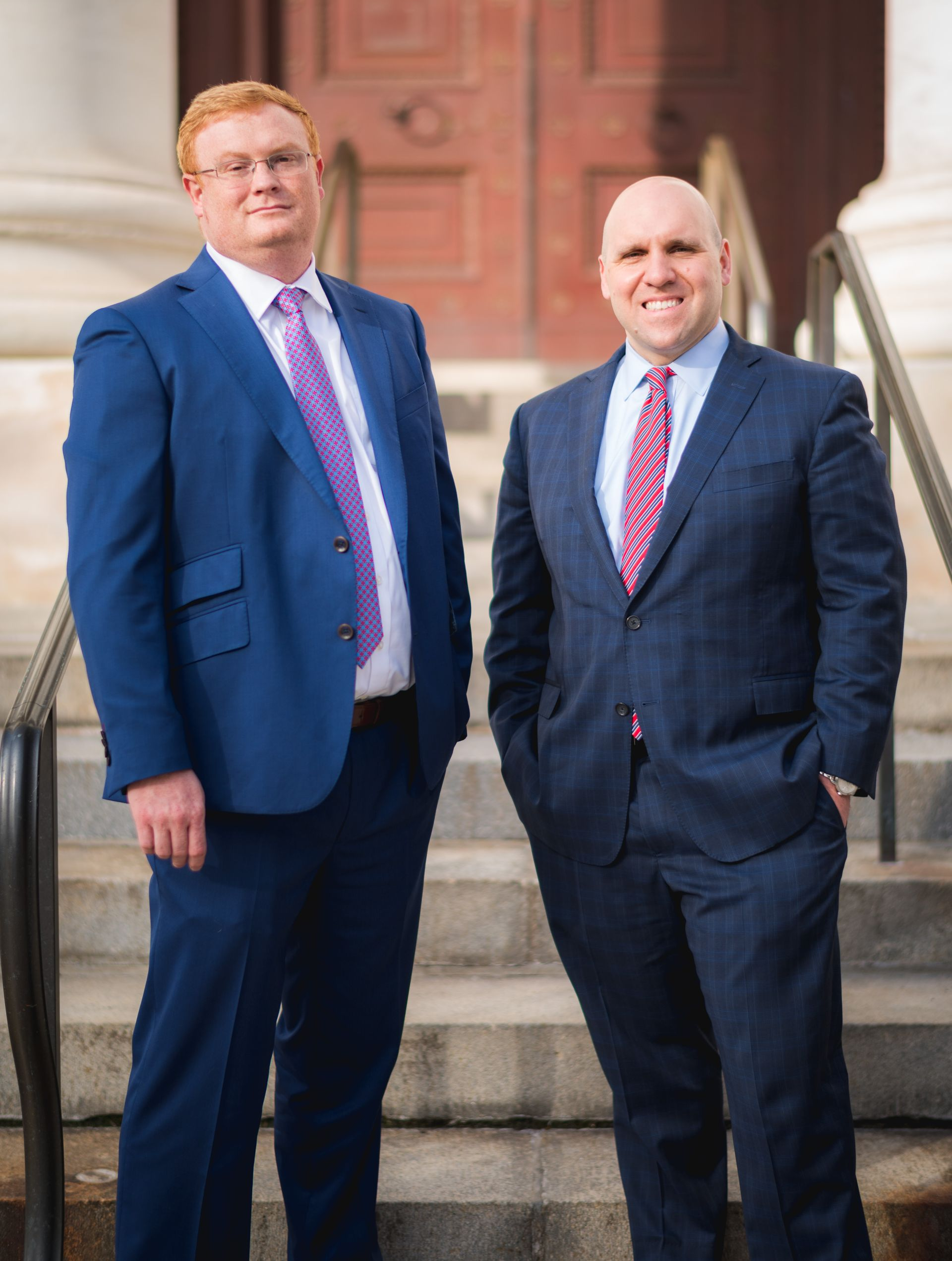
Maybe I feel this more acutely because of what I do. When you spend your career representing the families of people killed or seriously injured in car crashes, the statistics stop being abstract. You sit across from a spouse who lost their partner. A parent who lost their child. A young person who will never walk the same way again because someone chose to look at their phone for a few seconds. The crashes that become personal injury cases aren't statistics — they're destroyed lives, fractured families, and futures that were taken without warning by someone else's negligence.
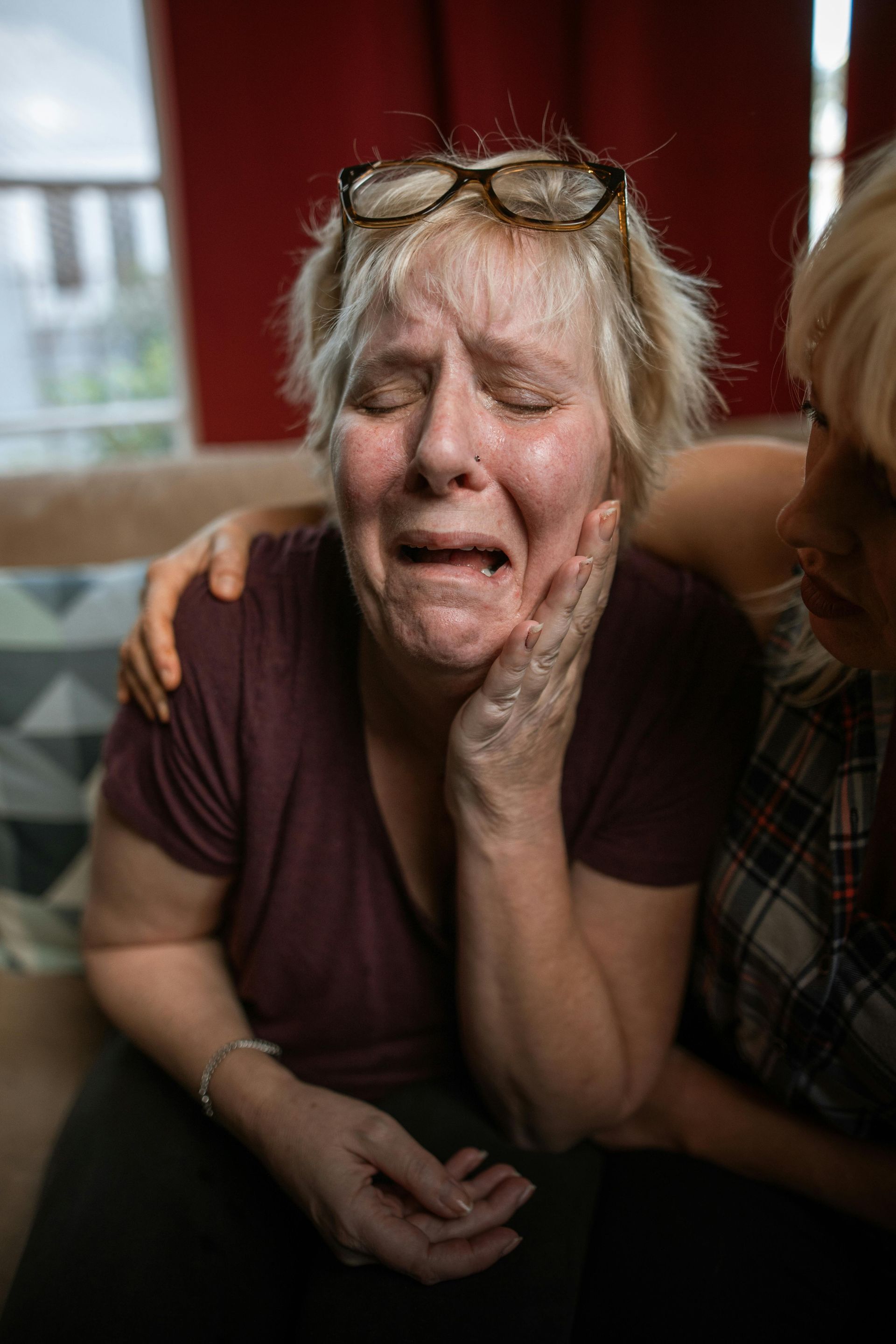
The grief in those rooms is the same grief that filled living rooms across America when service members came home from Vietnam in flag-draped coffins. The loss is just as real. The pain is just as deep. The difference is that car crash deaths don't come with a ceremony. They don't make the front page. They don't prompt congressional hearings. They happen on Tuesday afternoon on a Connecticut highway, and by Wednesday, most people have already moved on.
That's the part I can never quite get used to. And I don't think I should.
This Is a Public Health Crisis. We Should Treat It Like One.
Forty thousand deaths per year is not a rounding error. It is a public health emergency on the scale of some of the most significant crises in American history — and it is almost entirely preventable. Distracted driving, drunk driving, and reckless speeding are choices. They are not acts of God or unavoidable accidents. They are decisions made by real people that end real lives, and we have the ability — as a society, as drivers, as policymakers — to change that.
We have campaigns against texting and driving. We have seatbelt laws. We have drunk driving enforcement and DUI checkpoints. These efforts save lives, and they matter. But the cultural shift hasn't kept pace with what the data demands. The level of urgency we bring to road safety does not come close to matching the scale of the death toll.
Imagine if 40,000 Americans died each year from a single disease, or a product defect, or a workplace hazard. The response would be overwhelming. There would be federal investigations, congressional mandates, public health campaigns, and cultural reckoning. We would not accept it as ordinary. We would not move on to the next story.
Car crashes deserve that same response. The families left behind deserve that urgency. And drivers who make dangerous choices — whether by speeding, driving drunk, or refusing to put down their phones — deserve to be held accountable, both on the road and in the legal system.
What Accountability Looks Like in Connecticut
At BBB Attorneys, our work is one part of a larger response to this crisis. When we represent a Connecticut family after a serious car accident, we are doing more than filing paperwork. We are making the case — in negotiation rooms and in courtrooms — that what happened was not acceptable. That the driver who made that choice needs to bear the consequences. That the victim's life, health, and future have real value and real cost.
Civil accountability doesn't bring people back. But it matters. It creates consequences for dangerous behavior. It provides resources for families trying to rebuild. And in some small way, it sends a message that these crashes are not something we are willing to simply accept.
Connecticut's roads see serious accidents every day. Car accident victims throughout Fairfield County, New Haven County, and across the state deserve aggressive representation by attorneys who understand the real weight of what they've been through. We are that firm. And we take this work seriously — not just as a legal matter, but as a moral one.
Frequently Asked Questions
How many people die in car crashes in the United States each year?
According to recent traffic safety data, approximately 40,000 people die in car crashes in the United States each year. This number has remained stubbornly high despite advances in vehicle safety technology and ongoing public awareness campaigns. It represents one of the leading causes of preventable death in America.
What are the most common causes of fatal car accidents?
The most common causes of fatal car accidents include drunk or impaired driving, distracted driving (particularly phone use), excessive speeding, and aggressive or reckless driving behavior. All of these causes are preventable, which is what makes the annual death toll so difficult to accept.
Can I file a lawsuit if a family member was killed in a car accident in Connecticut?
Yes. If a family member was killed due to another driver's negligence — whether from drunk driving, distracted driving, speeding, or other reckless behavior — Connecticut law allows surviving family members to bring a wrongful death claim. Compensation can cover funeral expenses, lost financial support, loss of companionship, and more. BBB Attorneys offers free consultations for wrongful death cases.
What is the statute of limitations for a wrongful death claim in Connecticut?
In Connecticut, wrongful death claims must generally be filed within two years of the date of death. Given how time-sensitive evidence and witness accounts can be, it is important to consult with an attorney as soon as possible after a fatal accident.
Why is it important to hire an attorney after a serious car accident?
Insurance companies are businesses, and their goal is to minimize payouts. An experienced personal injury attorney investigates the crash, documents the full extent of your damages, handles all communications with insurers, and fights — in court if necessary — for the compensation you deserve. At BBB Attorneys, we work on a contingency fee basis, which means there are no upfront costs and you pay nothing unless we win.
If You've Lost Someone — or Been Seriously Injured — We're Here.
Forty thousand people a year. Each one of them had a family. Each one of them had people who loved them. And each one of those families deserved better than to have their loss treated as a statistic.
If you or someone you love has been seriously injured or killed in a Connecticut car accident, BBB Attorneys is ready to help. We serve clients throughout Connecticut from our office at 3651 Main Street, Suite 200, Stratford, CT. Contact us today for a free consultation. You pay nothing unless we win — and we fight like the outcome matters. Because it does.