Driving in Snow? Go Slow — Connecticut's Most Important Winter Driving Rule
June 5, 2026
Every winter, Connecticut roads turn dangerous — and every winter, we see the same preventable crashes happen again and again. Black ice. Spinning tires. Rear-end collisions at intersections. Cars sliding off the road. Most of these crashes share one common cause: someone was driving too fast for the conditions.
At BBB Attorneys, we represent people seriously injured in car accidents across Connecticut. And when it comes to winter driving, the message we want every driver to hear is simple: if you're driving in snow, go slow.
The #1 Rule for Winter Driving: Slow Down
It sounds obvious. But every year, thousands of Connecticut drivers underestimate how quickly road conditions can change in a snowstorm — and how little control even an experienced driver has when the roads are covered in snow or ice.
When you slow down in winter weather, three things happen that dramatically reduce your risk of a crash:
- You have more time to react. Whether it's a car that stops short ahead of you, a pedestrian stepping off the curb, or a patch of black ice, reaction time is everything. The faster you're going, the less time you have — and the more distance you need to stop safely.
- Your car has more control. Snow and ice dramatically reduce tire traction. At lower speeds, your tires maintain more contact with the road surface, and your braking, steering, and acceleration become more predictable.
- You can adapt to changing conditions. Winter storms aren't static. Conditions can shift in seconds — from wet pavement to icy pavement, from moderate snow to whiteout. Driving slowly gives you the margin to adjust before those changes cause a crash.
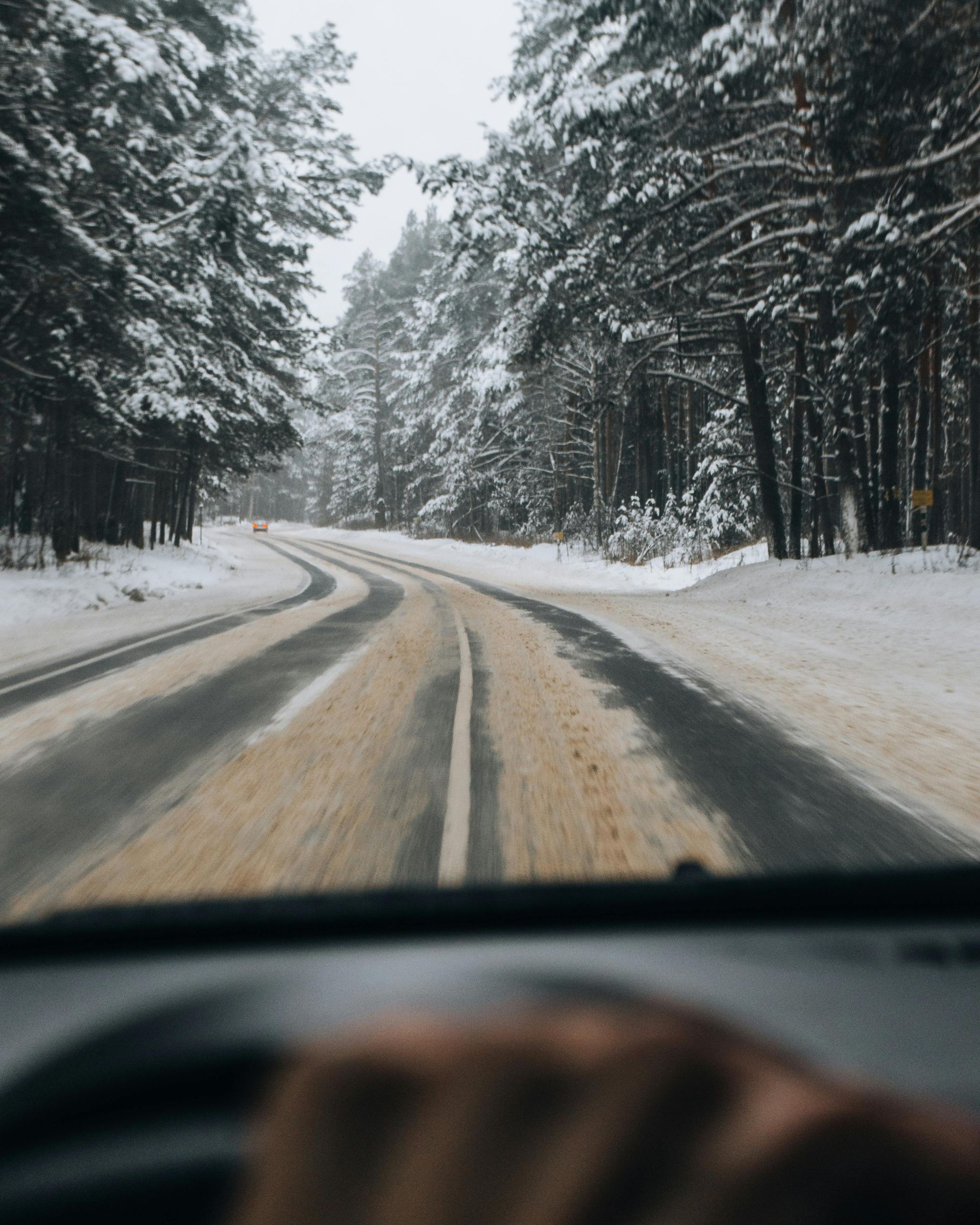
You Don't Know How Your Car — or You — Will React
Here's something many drivers don't fully appreciate until it's too late: the way your vehicle handles in snow depends on dozens of factors you can't fully predict in advance. Your tire tread depth. The temperature of the road surface. Whether there's a layer of ice beneath the snow. The grade of the road. How recently the road was treated with salt or sand.
Even experienced Connecticut drivers who have driven in snow for decades can be caught off-guard by conditions that are slightly different from what they expected. And it's not just about the car — your own reaction time, depth perception, and judgment are all affected by low visibility, cold temperatures, and the stress of navigating difficult roads.
The only way to give yourself a real buffer against the unexpected is to slow down. Speed eliminates that buffer entirely.
Connecticut Winter Driving Laws: What You Need to Know
Connecticut law requires drivers to operate their vehicles at a speed that is "reasonable and prudent" given the existing conditions — including weather. This means that even if you're driving under the posted speed limit, you can still be found negligent if you were going too fast for a snow or ice-covered road.
When a crash happens in winter weather, investigators and insurance adjusters look closely at whether each driver was operating at an appropriate speed for the conditions. If you were injured by a driver who was going too fast in the snow, that decision — the choice to speed in dangerous conditions — is a form of negligence, and you may be entitled to compensation.
Winter Driving Tips Beyond Just Slowing Down
Speed is the number one factor in winter crashes, but it's not the only one. Here's what Connecticut's safest winter drivers do every time they get behind the wheel in bad weather:
- Increase your following distance. The standard 3-second following distance isn't enough on snow or ice. Give yourself at least 8–10 seconds of space between you and the car ahead.
- Brake early and gently. Hard, sudden braking on slippery roads causes skidding. Begin braking much earlier than you normally would and apply steady, gentle pressure.
- Know your brakes. If your car has ABS (anti-lock braking system), apply firm, steady pressure and let the system do its job. Don't pump the brakes.
- Clear all snow from your vehicle — including the roof. Snow flying off your roof onto the cars behind you is both dangerous and illegal in Connecticut.
- Never use cruise control on snow or ice. Cruise control can cause your car to accelerate when it detects slippage, making a bad situation much worse.
- Watch for black ice. Black ice is nearly invisible and forms most readily on bridges, overpasses, and shaded areas of road. If you suddenly feel like you've lost steering control, ease off the gas, don't brake hard, and steer gently in the direction you want to go.
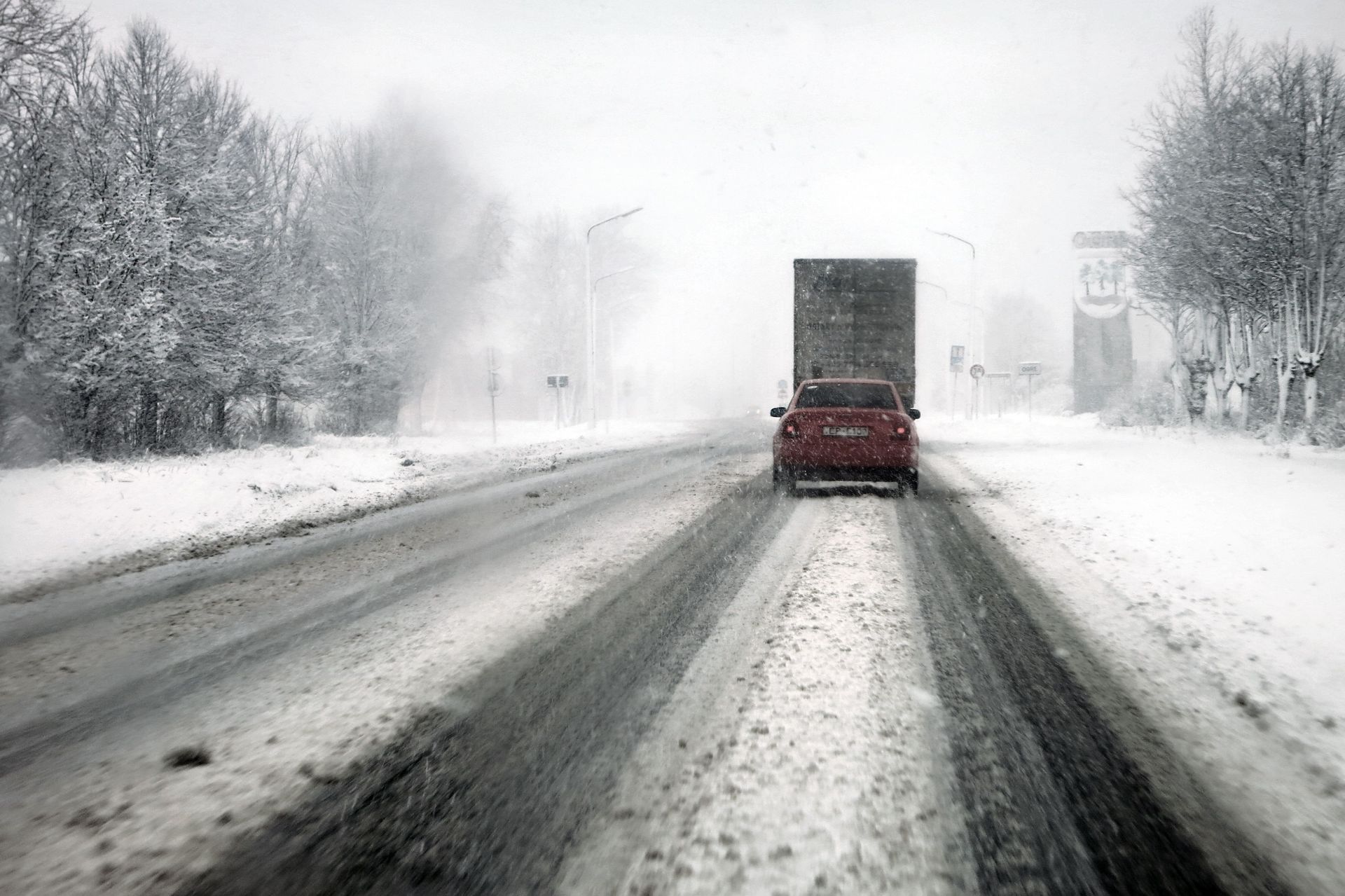
If Another Driver's Reckless Winter Driving Injured You
Unfortunately, even if you drive perfectly in winter conditions, you can't control what the driver behind you — or coming toward you — decides to do. Every winter, Connecticut residents are seriously injured by drivers who chose to speed through snowstorms, tailgate on icy roads, or otherwise ignore the basic rules of safe winter driving.
When that happens, you have rights. A driver who goes too fast in the snow and causes a crash has been negligent — and that negligence can form the basis of a personal injury claim. You may be entitled to compensation for your medical bills, lost wages, pain and suffering, and more.
At BBB Attorneys, we've handled winter weather car accident cases across Connecticut. We know how these cases are built, how insurance companies try to minimize payouts, and how to fight back on your behalf.
Frequently Asked Questions About Winter Driving Accidents in Connecticut
Can I sue another driver if they hit me in a snowstorm?
Yes. If another driver was operating their vehicle at an unsafe speed for winter conditions — or otherwise driving recklessly in the snow — they can be held liable for the injuries they cause. Connecticut's negligence laws apply fully in winter weather accidents. An attorney can help you evaluate your claim and determine what compensation you may be entitled to.
What if I was also driving in the snow and partially at fault?
Connecticut follows a modified comparative negligence rule, meaning you can still recover compensation even if you were partially at fault — as long as you were not more than 50% responsible for the accident. Your recovery may be reduced by your percentage of fault, but you are not automatically barred from pursuing a claim.
Does insurance cover winter car accidents in Connecticut?
Standard auto liability insurance covers accidents caused by negligent driving, including driving too fast in winter weather. If the at-fault driver has insufficient coverage, your own uninsured/underinsured motorist coverage may apply. An attorney can help you navigate your options and make sure you're not leaving compensation on the table.
What should I do after a winter car accident in Connecticut?
Call 911, seek medical attention even if you feel okay immediately after the crash, document the scene with photos if it's safe to do so, get the other driver's information and any witness contacts, and contact a personal injury attorney as soon as possible. Do not speak to the at-fault driver's insurance company without legal counsel.
How long do I have to file a personal injury claim after a winter car accident in Connecticut?
Connecticut's statute of limitations for personal injury claims is two years from the date of the accident. Waiting too long can forfeit your right to recover. If you've been injured in a winter car crash, contact an attorney sooner rather than later — early action preserves evidence and protects your rights.
Injured in a Winter Car Accident? BBB Attorneys Can Help.
If you or someone you love was hurt because another driver chose to ignore the most basic rule of winter driving — slow down — the attorneys at BBB Attorneys are ready to fight for you. We offer free consultations and handle personal injury cases on a contingency fee basis, meaning you pay nothing unless we win.
Call BBB Attorneys at (203) 336-8888 or visit our car accident page to speak with a Connecticut personal injury attorney today.