40,000 Deaths a Year Aren't "Accidents" — They're Choices
June 5, 2026
Every year in the United States, approximately 40,000 people are killed in car crashes. That's not a typo. Forty thousand people. Parents. Children. Spouses. Neighbors. Friends.
And yet — when is the last time you saw that statistic lead the nightly news?
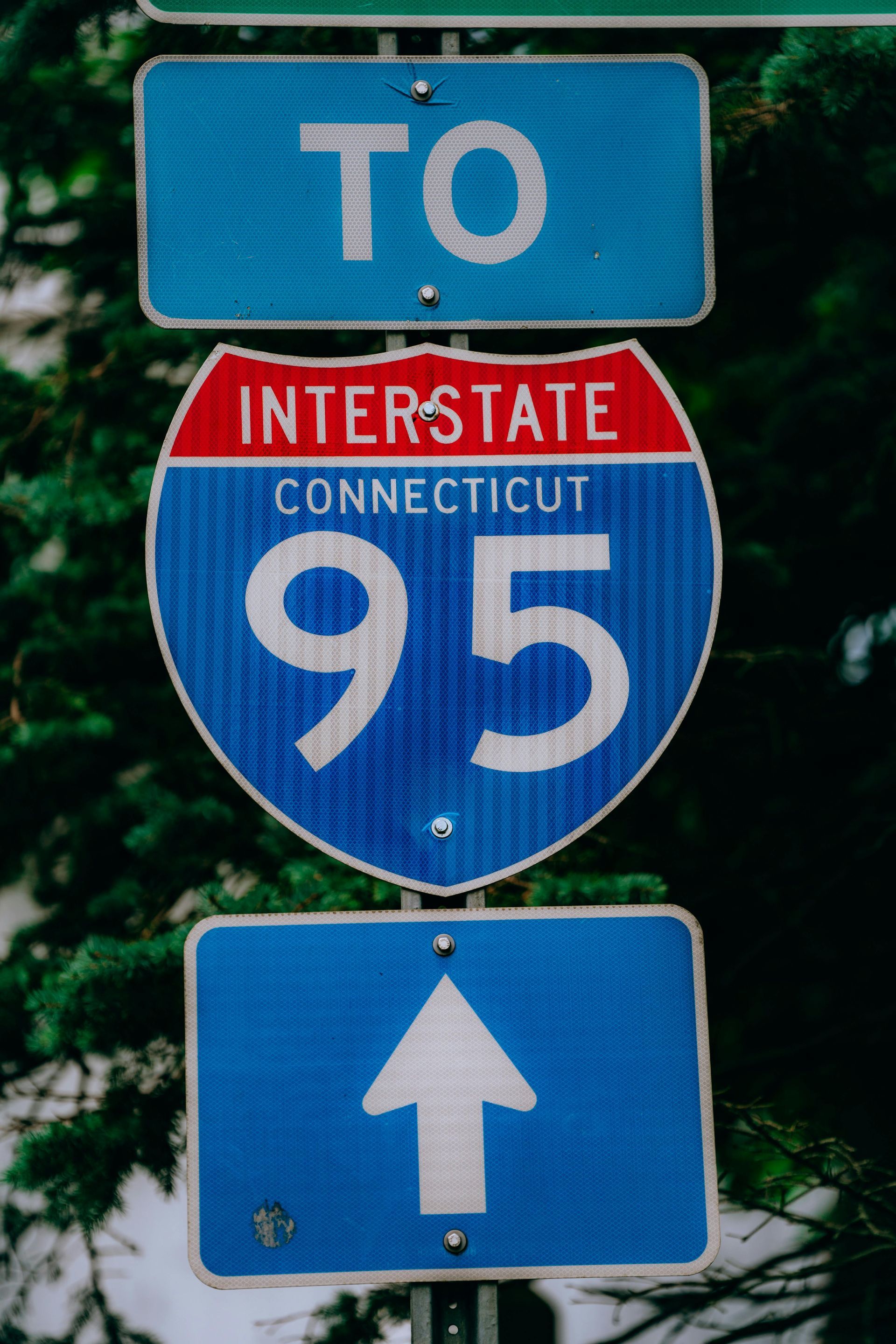
Here in Connecticut, the Department of Transportation posts an annual death toll on roadside signs. It's one of the few public acknowledgments that something deeply wrong is happening on our roads. But nationally? Forty thousand deaths a year barely registers as a news story. There's no national outcry. No emergency task force. No sustained public conversation about what is, by any objective measure, a public health catastrophe.
At BBB Attorneys, we represent people whose lives have been destroyed by these crashes — and we've had enough of the silence.
Why Does a Self-Driving Car Make Headlines While 40,000 Deaths Don't?
Think about the coverage every time a self-driving car has a minor incident, or an electric vehicle battery catches fire. It's wall-to-wall news. Investigations. Congressional hearings. Urgent calls for regulation.
Now ask yourself: when was the last time you saw that same urgency directed at the 40,000 people who die every single year in conventional car crashes? When did a distracted driver killing a father of three lead the national news? When did a speeding crash that left a young woman paralyzed prompt a prime-time special report?
It doesn't happen — and that disparity is not an accident. It's a reflection of how normalized we've allowed these crashes to become. We've collectively decided, as a society, that 40,000 deaths a year is just the cost of driving. We've decided it's background noise.
It is not background noise. It is a crisis. And it demands to be treated like one.
The Human Cost That Insurance Companies Don't Want You to Think About
Turn on the television and you'll see insurance company commercials that are cheerful, charming, and entirely disconnected from the reality of what car crashes actually do to human beings. A friendly gecko. An emu. A folksy neighbor promising you're "in good hands."
These companies have spent billions of dollars making sure you associate their brand with comfort, humor, and reassurance — not with the paralysis, broken bones, amputations, and wrongful deaths that their policyholders cause every day.
Think about the parents who lose a child in a crash. Think about the children who grow up without a parent because someone decided to look at their phone while driving 60 miles an hour. Think about the families that are financially devastated, emotionally shattered, and permanently changed by a single moment — a moment that was entirely preventable.
That's what insurance companies are minimizing. That's what those feel-good commercials are designed to distract you from. And that's what our legal system exists to address — because when everything else fails, accountability in the courtroom is often the only justice available to the families who've lost everything.
These Are Not "Accidents." These Are Choices.
Here's something we say often at BBB Attorneys, and we believe it deeply: these are not accidents.
The word "accident" implies something random — an event without cause, a tragedy no one could have prevented. But the overwhelming majority of fatal and serious car crashes in Connecticut and across the country are not random. They are the direct result of choices that individual drivers made.
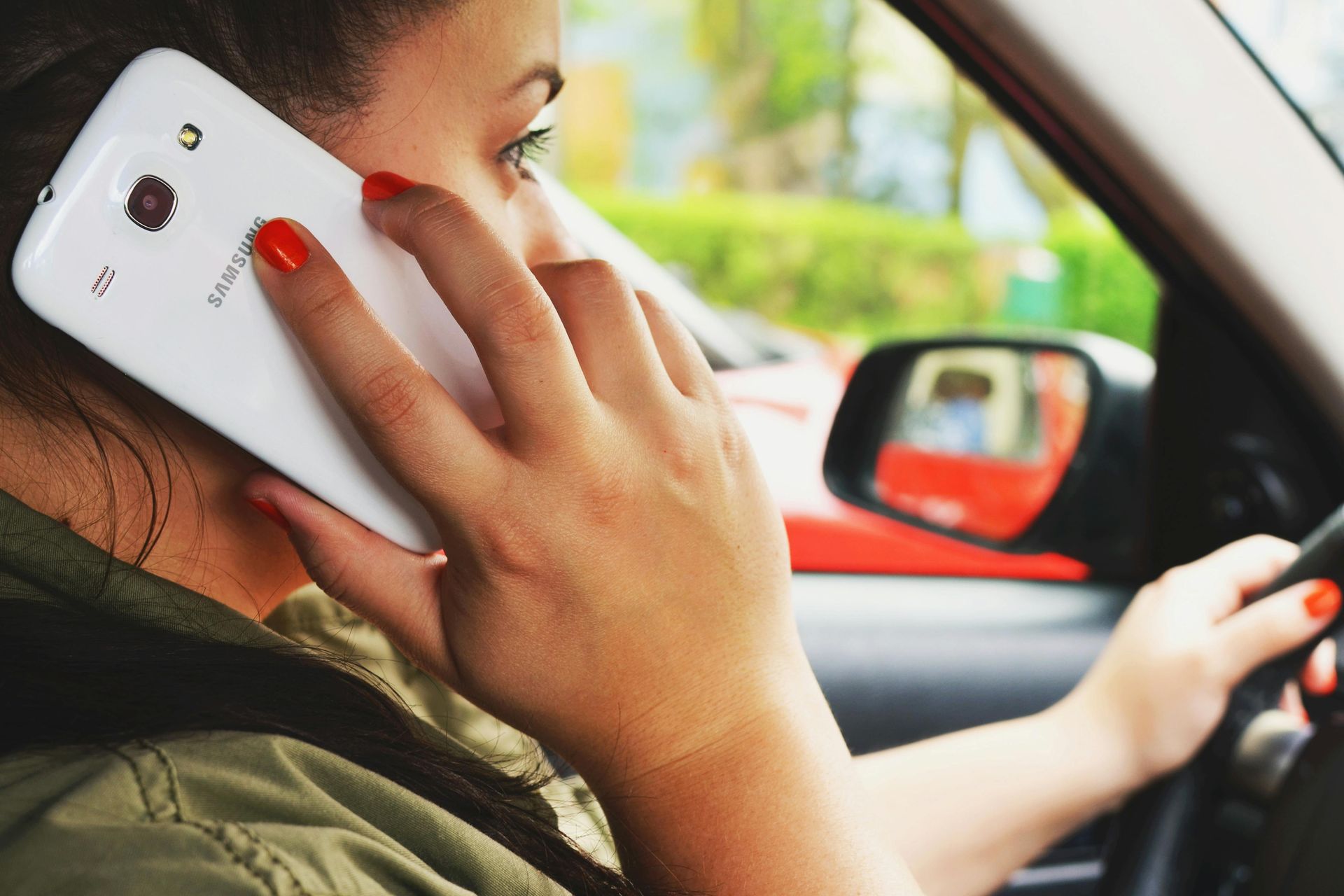
- The choice to pick up a phone while driving.
- The choice to drive 85 miles an hour in a 55 zone.
- The choice to get behind the wheel after drinking.
- The choice to weave in and out of traffic because you're in a hurry.
- The choice to tailgate the car in front of you.
These are decisions. Conscious, voluntary decisions that put other people's lives at risk. When those decisions kill or injure someone, calling it an "accident" is an insult to every victim and every family. It erases responsibility. It softens accountability. It makes it easier for the people who caused catastrophic harm to feel like it wasn't really their fault.
We refuse to accept that framing. These are violent crashes caused by reckless choices — and the people who make those choices need to be held accountable.
The Injuries That Don't Make the News
And that's just the deaths. We haven't even begun to talk about the injuries.
Every year, millions of Americans are seriously injured in car crashes. Spinal cord injuries that result in paralysis — permanent, life-altering, devastating paralysis. Traumatic brain injuries that change who a person is. Amputations. Severe burns. Shattered bones that require years of surgeries and rehabilitation. Chronic pain that never fully goes away.
These injuries don't just affect the victim. They ripple outward — to spouses who become full-time caregivers, to children who watch their parents suffer, to families who exhaust their savings trying to cover medical bills that insurance companies fight to minimize at every turn.
None of this is inevitable. None of it is acceptable. All of it starts with a choice someone made behind the wheel.
What Connecticut Can Do — And What You Can Do If You've Been Hurt
We need a cultural shift — one that treats dangerous driving the way we treat other public health crises. That means stronger enforcement of distracted driving laws. It means meaningful consequences for repeat reckless drivers. It means communities, schools, and media outlets treating traffic violence with the same urgency we give to other preventable causes of death.
And it means that when someone is seriously injured or killed because a driver made a reckless choice, that driver — and their insurance company — must be held fully accountable.
At BBB Attorneys, holding reckless drivers accountable is exactly what we do. We fight for the families who've lost a loved one. We fight for the people living with catastrophic injuries because someone chose to drive distracted, drunk, or reckless. We make sure the full human cost of those choices — the medical bills, the lost wages, the pain and suffering, the loss of a life as it was known — is recognized and compensated.
Frequently Asked Questions About Car Crash Deaths and Serious Injuries in Connecticut
Are most car crashes in Connecticut really preventable?
Yes. The vast majority of serious and fatal car crashes are caused by driver behavior — distracted driving, speeding, drunk driving, and other reckless choices. The National Highway Traffic Safety Administration consistently finds that human error is the critical contributing factor in more than 90% of crashes. These are not random events. They are the result of decisions, and they are overwhelmingly preventable.
What is the difference between a car "accident" and a car "crash"?
The distinction matters legally and morally. The word "accident" implies no one is at fault — that the event was unavoidable. Most serious car crashes are not accidents; they are the direct result of a driver's negligent or reckless choices. Attorneys, safety advocates, and many journalists have moved away from the word "accident" for exactly this reason. In a personal injury case, establishing that the crash resulted from a choice — not random chance — is central to proving negligence.
How many people are killed in car crashes in Connecticut each year?
Connecticut typically sees between 250 and 350 traffic fatalities per year, according to the Connecticut DOT. Nationally, the number consistently hovers around 40,000 deaths annually. These numbers represent a preventable public health crisis that receives a fraction of the attention and resources it deserves.
What can I recover in a Connecticut car crash lawsuit?
If you've been seriously injured or lost a family member in a crash caused by a reckless driver, you may be entitled to compensation for medical bills, future medical expenses, lost wages and earning capacity, pain and suffering, loss of enjoyment of life, and — in cases of wrongful death — loss of consortium and other damages. An attorney can help you understand the full value of your claim.
How long do I have to file a car accident lawsuit in Connecticut?
Connecticut's statute of limitations for personal injury claims is two years from the date of the crash. For wrongful death claims, the two-year clock typically begins from the date of death. Waiting too long can permanently forfeit your right to recover. Contact an attorney as soon as possible after a serious crash.
You Deserve an Attorney Who Takes This Seriously
We don't treat your case like an "accident." We treat it like what it is — a violent, preventable crash caused by someone's reckless choice. And we fight like it matters, because it does.
If you or a loved one has been seriously injured or killed in a car crash in Connecticut, BBB Attorneys is ready to fight for everything you deserve. Free consultations. No fees unless we win.
Call BBB Attorneys at (203) 336-8888 or visit our car accident page to speak with a Connecticut personal injury attorney today.