Drunk Boating in Connecticut: What You Need to Know Before You Hit the Water
June 5, 2026
Drunk Boating in Connecticut: What You Need to Know Before You Hit the Water
When we talk about drunk driving, the conversation doesn't stop at the shoreline. In Connecticut, drunk boating is a serious and underreported danger — one that puts passengers, swimmers, and other boaters at risk every summer on the Long Island Sound, the Connecticut River, and waterways across the state.
At BBB Attorneys, LLC , we are committed to safer roads and safer waterways. Here's what every boater in Connecticut needs to understand before heading out this season.
Drunk Boating Is Just as Dangerous as Drunk Driving
It's easy to see why people treat boating differently. You're out on the water, the sun is out, and there's no traffic light or centerline in sight. A beer or two might seem harmless. But the reality is that alcohol impairs your ability to operate a boat just as significantly — and in some ways more so — than it impairs your ability to drive a car.
On the water, you're dealing with factors that don't exist on land: sun glare, wave motion, wind, engine noise, and the physical effects of being on open water for hours. All of these accelerate the effects of alcohol. What might feel like a minor buzz on land can translate to serious impairment behind the helm of a boat.
The consequences are identical to what we see in car accident cases: slowed reaction time, impaired judgment, reduced coordination, and tunnel vision. When something goes wrong on the water — a swimmer in the path of the boat, a sudden wake, another vessel — a drunk operator simply cannot respond fast enough to prevent a tragedy.
Connecticut's Drunk Boating Laws
Connecticut law treats operating a vessel under the influence (OUI) with the same seriousness as driving under the influence (DUI). The legal blood alcohol limit for boaters is 0.08% BAC — the same as for motor vehicle operators. For boaters under 21, the limit is 0.02%.
A conviction for drunk boating in Connecticut can result in:
- Fines up to $1,000 for a first offense
- Suspension of boating privileges
- Mandatory alcohol education programs
- Imprisonment for repeat offenses or crashes causing injury
- A permanent criminal record
Beyond criminal penalties, a drunk boater who injures someone faces significant civil liability. Victims of boating accidents caused by intoxicated operators may be entitled to compensation for medical expenses, lost wages, pain and suffering, and more — and our attorneys are prepared to pursue that recovery aggressively on their behalf.
The Waterways of Connecticut Deserve the Same Respect as Its Roads
The Long Island Sound is one of Connecticut's greatest natural assets. So are the Connecticut River, the Housatonic, the Thames, and the dozens of lakes and reservoirs across the state. These are places where families make memories — and they should be safe.
Too many summers in Connecticut have been marked by preventable boating tragedies. Drunk boating crashes cause serious injuries: passengers thrown overboard, collisions with other vessels, propeller strikes, and drownings. Many of these victims are children. Many of these crashes happen in broad daylight, in calm water, because the operator made the choice to drink and boat.
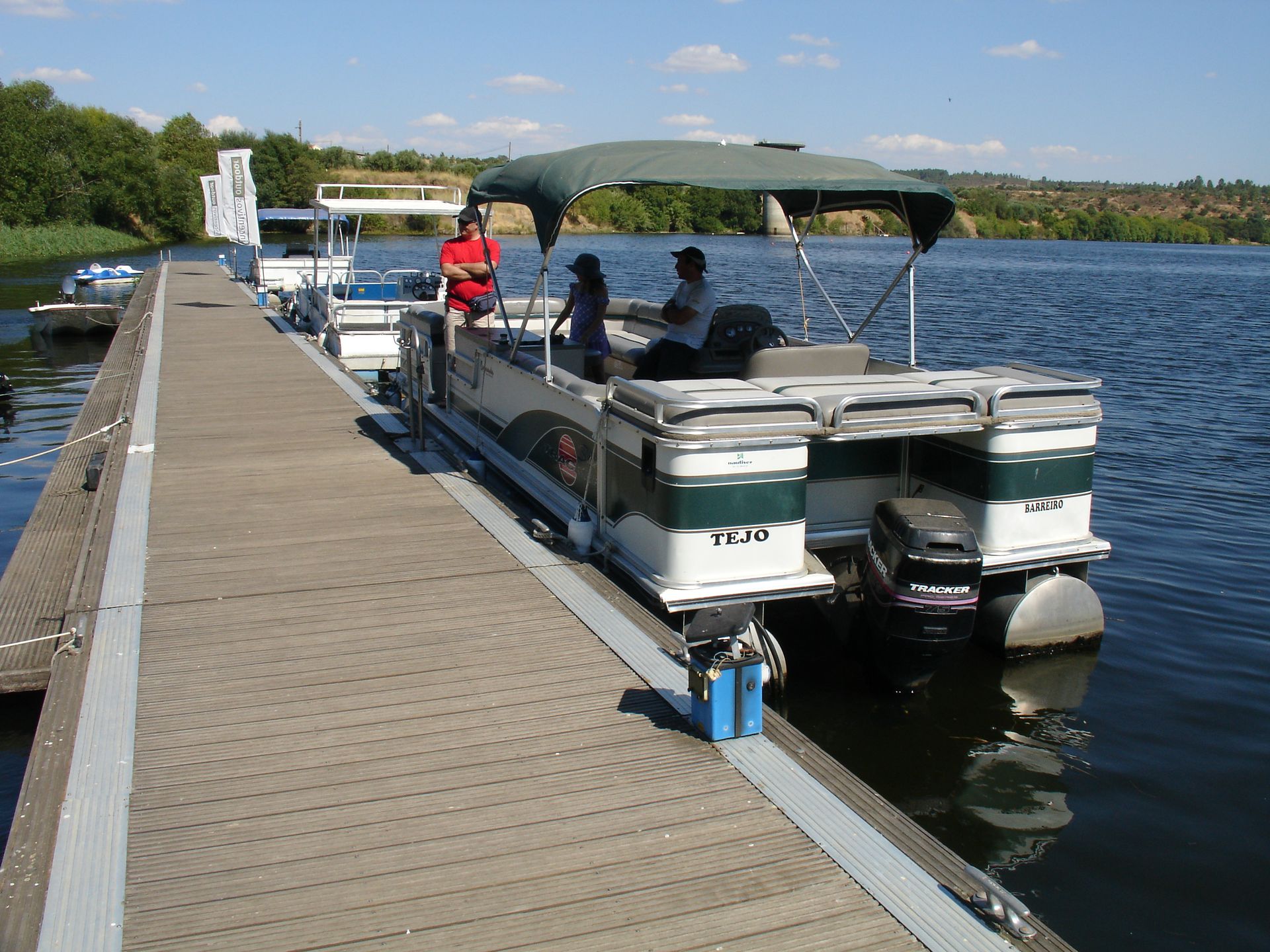
Safe Boating Starts With a Simple Decision
The same principle that applies to driving applies to boating: if you plan to drink, plan for someone else to operate the boat. Designate a sober operator before you leave the dock. If you're hosting guests on your vessel, make it clear that alcohol and boat operation don't mix — for anyone aboard.
Some practical steps for a safe day on the water:
- Designate a sober operator — Just like a designated driver, someone on board should commit to staying sober if they're going to helm the boat.
- Know your limits before you leave the dock — Once you're out on the water, the options for getting safely back are more limited than on land.
- Stay hydrated and eat before drinking — Sun, heat, and dehydration intensify the effects of alcohol faster on the water than on land.
- Anchor if impaired — If the sober operator is no longer available and everyone on board has been drinking, anchor safely and call for assistance rather than attempting to operate the vessel.
- Know the rules of the waterway — Connecticut State Police Marine Division actively patrols the state's waterways, especially during the summer boating season.
If You've Been Injured in a Boating Accident
If you or someone you love has been injured in a boating accident involving an intoxicated operator, the same legal principles that apply to drunk driving cases apply here. The at-fault operator can be held civilly liable for the injuries they caused, and in cases involving serious harm, the damages can be substantial.
Our personal injury attorneys handle boating accident cases throughout Connecticut. We know how to investigate these incidents, work with marine accident reconstruction experts, and build the strongest possible case for our clients. If you're a victim of a drunk boating crash, you don't have to navigate the legal process alone.
Frequently Asked Questions
Is drunk boating illegal in Connecticut?
Yes. Operating a vessel under the influence (OUI) is illegal in Connecticut. The legal BAC limit is 0.08% for boaters 21 and older, and 0.02% for those under 21. Penalties include fines, suspension of boating privileges, mandatory education programs, and potential imprisonment — particularly for repeat offenses or crashes that cause injury or death.
Does alcohol affect you differently on a boat than on land?
Yes — and typically more severely. The combination of sun exposure, heat, wind, wave motion, and engine vibration accelerates the effects of alcohol on the body. Studies have shown that these environmental stressors can produce a level of fatigue equivalent to impairment even before alcohol is consumed, meaning that adding alcohol on top of a full day on the water significantly amplifies its effects on reaction time and judgment.
Can I sue someone who injured me while drunk boating in Connecticut?
Yes. A drunk boater who injures you through their negligence can be held civilly liable for your damages, including medical expenses, lost wages, pain and suffering, and more. Connecticut law also allows for dram shop claims in certain circumstances if a licensed establishment served alcohol to a visibly intoxicated person who later caused a boating accident. An attorney can evaluate the full scope of liability in your specific case.
What should I do if I'm injured in a boating accident in Connecticut?
Call 911 or the Coast Guard immediately and get medical attention, even if injuries seem minor. Report the accident to the Connecticut Department of Energy and Environmental Protection (DEEP) as required by law for crashes involving injury, death, or significant property damage. Document the scene, collect witness information, and contact a personal injury attorney before speaking with any insurance company. Evidence in boating accidents can disappear quickly, so acting promptly is critical.
Connecticut's statute of limitations for personal injury claims is generally two years from the date of the accident. For wrongful death claims arising from a fatal boating accident, the same two-year window typically applies. Missing this deadline can permanently bar you from recovering compensation, so it is important to consult with an attorney as soon as possible after an accident.
Injured in a Boating Accident? Call BBB Attorneys — Free Consultation.
This summer, enjoy Connecticut's beautiful waterways — but enjoy them safely. If another boater's decision to drink has left you or someone you love injured, BBB Attorneys is here to fight for the compensation you deserve.
We offer free consultations with no obligation , and you pay nothing unless we win. Call us today at (203) 870-6700 or reach out online to speak with a Connecticut personal injury attorney.